
How hitting your commercial targets can become a marketing risk
There is a moment I see with many businesses that I’ve worked with over the years. When things start going well, they lose interest in marketing. Things are good, targets are being met, the pipelines look healthy and the teams are busy. Why on earth would you carry on marketing to increase it even more, when you don’t need more business. Right? Right??
Wrong.
Marketing tends to suffer when one of two things happen: when money gets tight and when things are going really good. The first one is understandable to many; you’re tight on cash and putting money into a hope and a prayer (which marketing can feel like, sometimes) is the last thing you want to do, you need a sure thing. The second one, however is a bit of a strange one, but it’s the one I see the most as a consultant and the most damaging: everything is just going swimmingly and you’re plenty busy enough, “why oh why would I continue to spend time and money achieving what I’ve already achieved?”
The long and the short of it
Renowned marketing expert Les Binet regularly preaches “the long and the short of it”, that the most effective way to grow is by focusing on long-term brand building (that’s the slow and steady side of marketing) paired with short-term sales activations (think: promotions and offers – “Act now!”). Binet’s core warning is that many brands risk shrinking in size by chasing short-term wins, without focusing on the long-term.
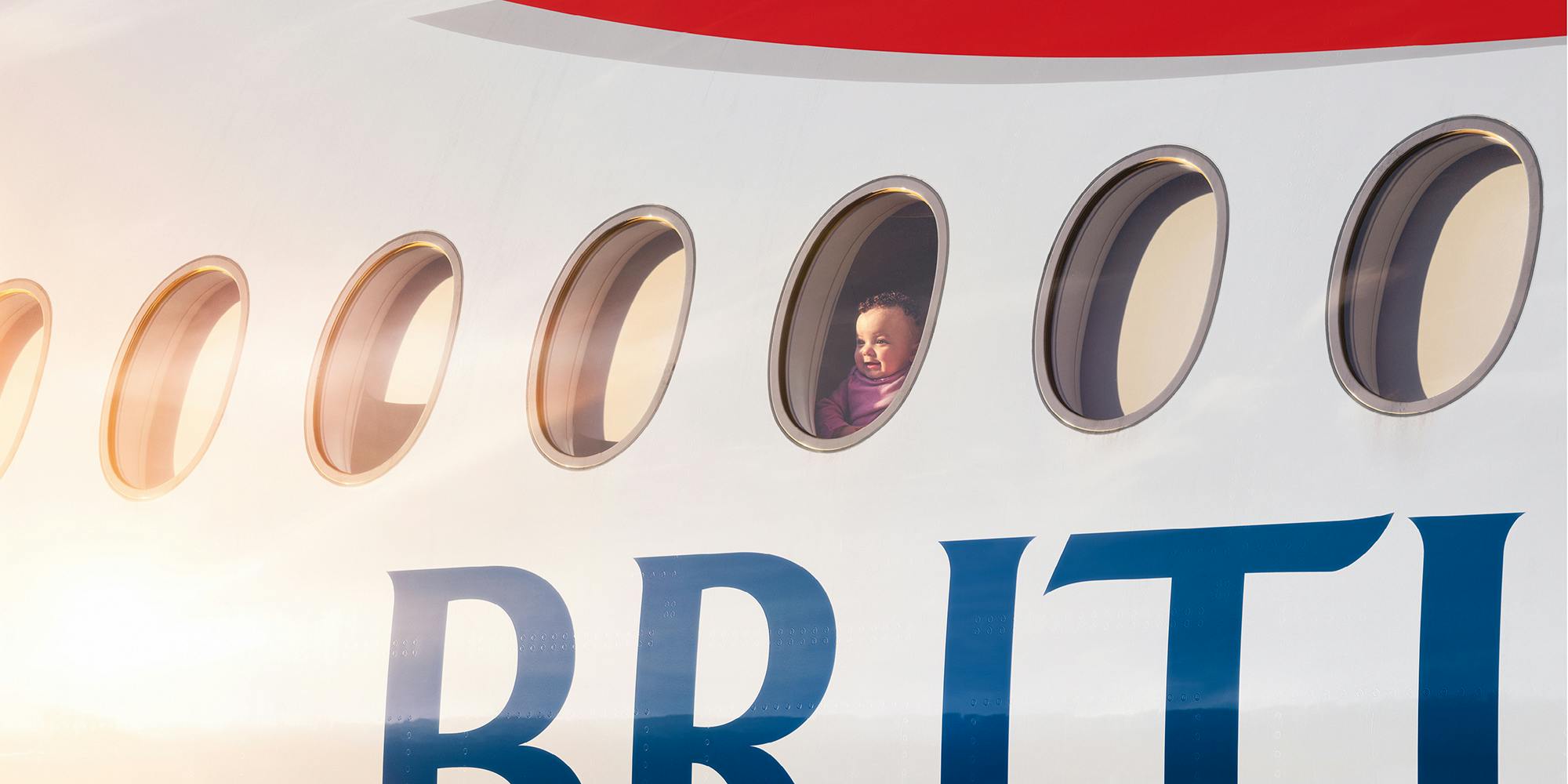 Brand building works slowly by using broad reach emotional messaging to create lasting memory structures and drive sustained growth, while sales activation works quickly through targeted rational messages and promotions but delivers only short lived effects. Think of the acclaimed British Airways window adverts, an inexperienced marketer would slate them for having no CTA, no reason, no perceived value, but this style of long-term brand building is designed to drive emotion.
Then you have your short-term sales activation that relies on your established brand, the emotions you’ve driven in your target market. Continuing with our example of British Airways, it’s a good old-fashioned sale, nice and simple and exactly what we need to drive some short-term sales.

Based on large scale evidence, Binet shows that the optimal balance for most brands is roughly 60 percent brand building and 40 percent activation and that over focusing on short term tactics undermines long term performance. He also demonstrates that emotional campaigns outperform rational ones for long term growth, that reaching all category buyers matters more than narrow targeting and that common short term metrics often undervalue brand investment leading organisations to make decisions that slowly weaken their brands over time.
What the data actually shows
Research from the Institute of Practitioners in Advertising consistently shows a direct relationship between share of voice and long-term market share. Brands that maintain excess share of voice are the ones that tend to grow. Brands that fall below it tend to shrink. Your share of voice is the proportion of total advertising or marketing presence a brand has in its category compared with competitors, it’s usually measured by media spend or impressions. A brand can also have excess share of voice, which means a brand’s share of voice is higher than its current market share and this matters because brands with excess share of voice tend to grow over time, while brands with lower share of voice than market share tend to decline. In very simple terms, if you consistently shout louder than your size, you are likely to get bigger.
Work by Les Binet and Peter Field found that brands cutting advertising for six months or more typically saw market share declines of up to 10 percent. Recovery, even after spend resumed, in worst case scenarios, can take three to five years and require significantly higher budgets than were saved in the first place.
The best example of this in action? The pandemic.
During the pandemic, a clear divide emerged between brands that treated marketing as optional and those that treated it as defensive infrastructure. UK businesses such as Tesco and Sainsbury’s maintained visibility, focusing on reassurance, value and trust rather than growth messaging, and protected or grew market share while competitors went quiet. Unilever committed to sustaining marketing investment across its UK brands and later reported significantly stronger recovery performance than peers who cut to zero. At the same time, Gymshark doubled down on community-led marketing, strengthening loyalty and accelerating growth through 2020 and 2021. The data behind this is consistent: IPA, Kantar and Nielsen analysis shows brands that maintained or only modestly reduced spend recovered up to two to three times faster, while those that went dark lost 10 to 30 percent of brand awareness and often had to spend considerably more over several years to recover.
The plan when things are going great
If the business is genuinely constrained by capacity, reducing spend can absolutely be the right call and changing to a maintenance budget protects future revenue at a fraction of the cost of rebuilding lost awareness later. It keeps the brand present while allowing the business to stabilise operationally. At the same time, the strategy should pivot to long-term brand building with a return to a 60/40 split on sales activation in the future when a need for immediate sales growth reappears.
When you go quiet, your competitors do not and as a result, you start to lose your share of voice. In the inevitable future where you witness a sales drop (which could be down to any number of factors), your reactive sales-focussed marketing will have next to know affect, because people have forgotten you exist, people don’t trust your brand anymore, because while you slept; your competitor took up the mental availability.
One of the most damaging assumptions is that marketing can simply be turned back on when needed.
The uncomfortable reality
The best time to protect your marketing is when it feels least necessary but the beauty of this is, that is when it is cheapest, the mental availability is easier and things just work. That’s because you’ve spent time on long-term brand building. That is when it protects future revenue rather than scrambling to replace it.
So, in summary, if you are too busy to grow, too busy to invest time in marketing, then simply shift to maintenance. Reduce spend and focus on long-term brand-building, hold off on the promotions for another time.